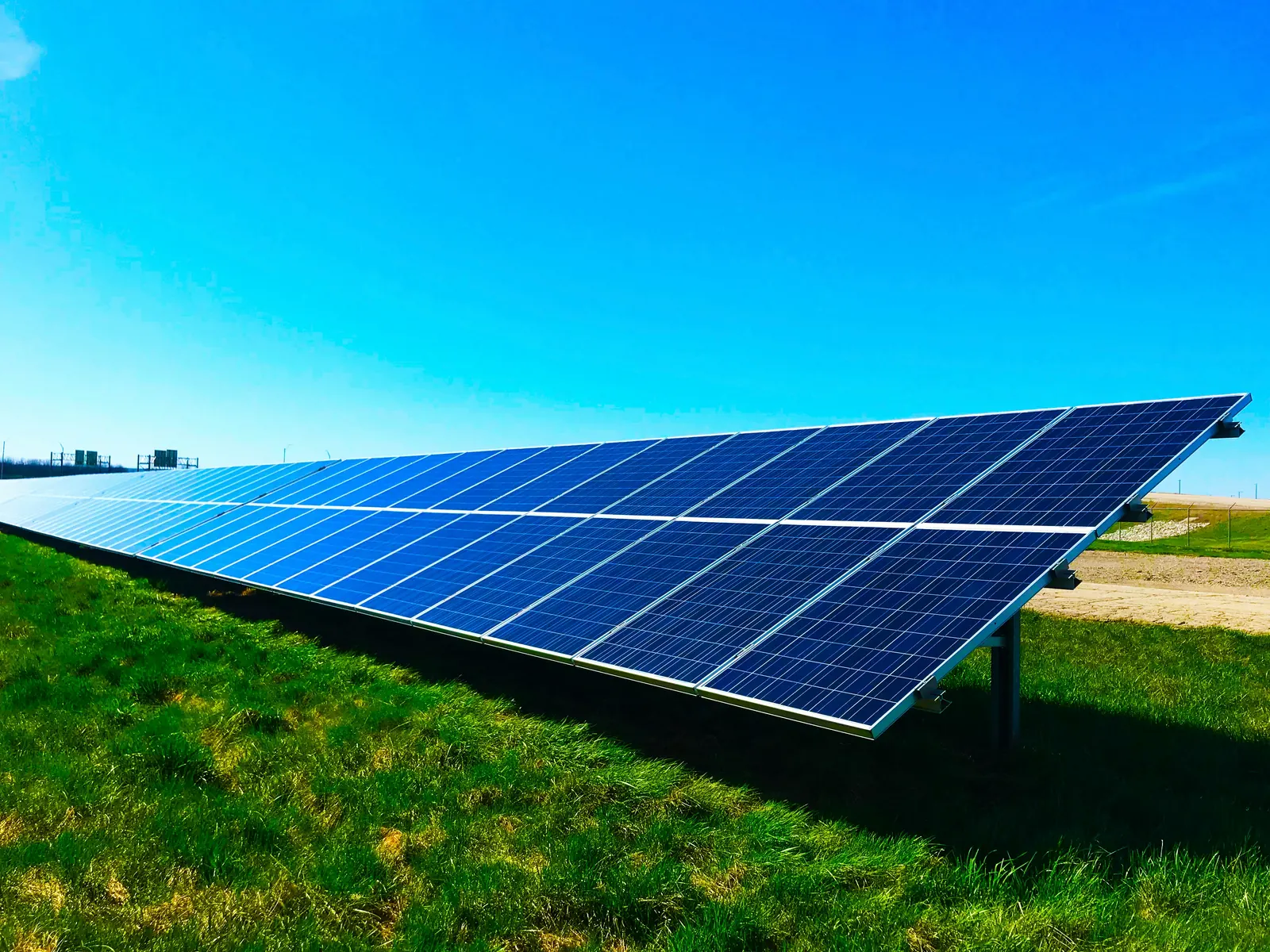
Most people think of bird problems under solar panels as a spring thing — pigeons nesting, chicks, noise. The winter version is quieter and costs more: by the time December arrives, the debris those birds shed has been draining straight into the gutter run below the array for months, and that is the one section of guttering that blocks first when the leaves come down.
Why Birds Pick the Gap Under Panels
A rooftop array sits on mounting brackets that leave a sheltered gap of a few inches between the panel frame and the tiles. From a pigeon’s point of view it is the best address on the street: warm (the panels radiate a little heat), dry, out of reach of cats, and facing away from the wind on most roof pitches. Autumn is when they move in — and once a pair claims it, they stay. Solar panel cleaning visits across Bath and Bristol routinely reveal established nests that nobody knew were there, because you cannot see under an array from the ground.
The Two-Way Cost of a Colony
On the glass above. Pigeons perch on the panel frame and the droppings land on exactly the surface that needs light. As covered in our piece on whether solar panels need cleaning in the UK, bird droppings are by far the highest-impact soiling — one baked-on dropping can shade a disproportionate share of an individual panel, and a winter of traffic builds plenty of them.
Into the gutters below. This is the part people miss. Nesting brings twigs, feathers and seed debris, and birds are untidy tenants: material drops off the roof edge and washes along the gutter runs during rain. The run directly below the array collects it first — which is why some roofs show one gutter section overflowing every winter while the rest look fine.
Why Winter Makes It Worse
The failure chain is the same one that catches everyone in December:
- Leaf season loads the run. Autumn leaves funnel down the roof into the same gutter section the bird debris is already sitting in.
- Rain compacts it. Each shower washes the mix towards the outlet; the run below the array plugs before the rest.
- Frost fixes it in place. A frozen, waterlogged mass of twigs and leaves stays put — and expands — through repeated freeze-thaw cycles.
- The overflow lands in one spot. Every rainfall event overflows the same stretch of wall, which is how one winter of neglect becomes a penetrating damp repair.
Clearing the blockage in November is a maintenance call. Clearing it in February is a damp-and-plaster conversation.
What a Proper Fix Looks Like
The honest version, in the order it matters:
- Clear the gutter run below the array first — full clear and downpipe flush on the affected section at minimum, the whole run while we are up there. Gutter cleaning with camera footage proves the section is actually flowing.
- Clean the glass the array deserves — soft-bristle pole work, droppings lifted off rather than jetted at, nobody walking the roof.
- Flag the nesting, not just the mess. If birds are established under the array, cleaning alone does not evict them. We note where the gap is open (or where mesh has failed or corroded) and tell you plainly what we found — a solar panel cleaning visit includes that look-over as standard.
One visit covers both, because it is one roofline: gutters cleared and flushed, glass cleaned, and an honest report on what is living under the array.
When to Book
Before the hard frost — once work stops in a freeze, the blockage is spending every rain event overflowing onto your wall. Mid-November through early December is the sweet spot: leaves are down, the frosts have not started, and the run below the array can be left flowing ready for spring.
Book the pair on one visit: solar panel cleaning across Bath and solar panel cleaning across Bristol, with gutter cleaning in Bath and gutter clearing across Bristol on the same roofline wherever it makes sense. Free quotes on 07474 939 398 — and camera footage on the gutter work, so you can see it flowing before we leave.