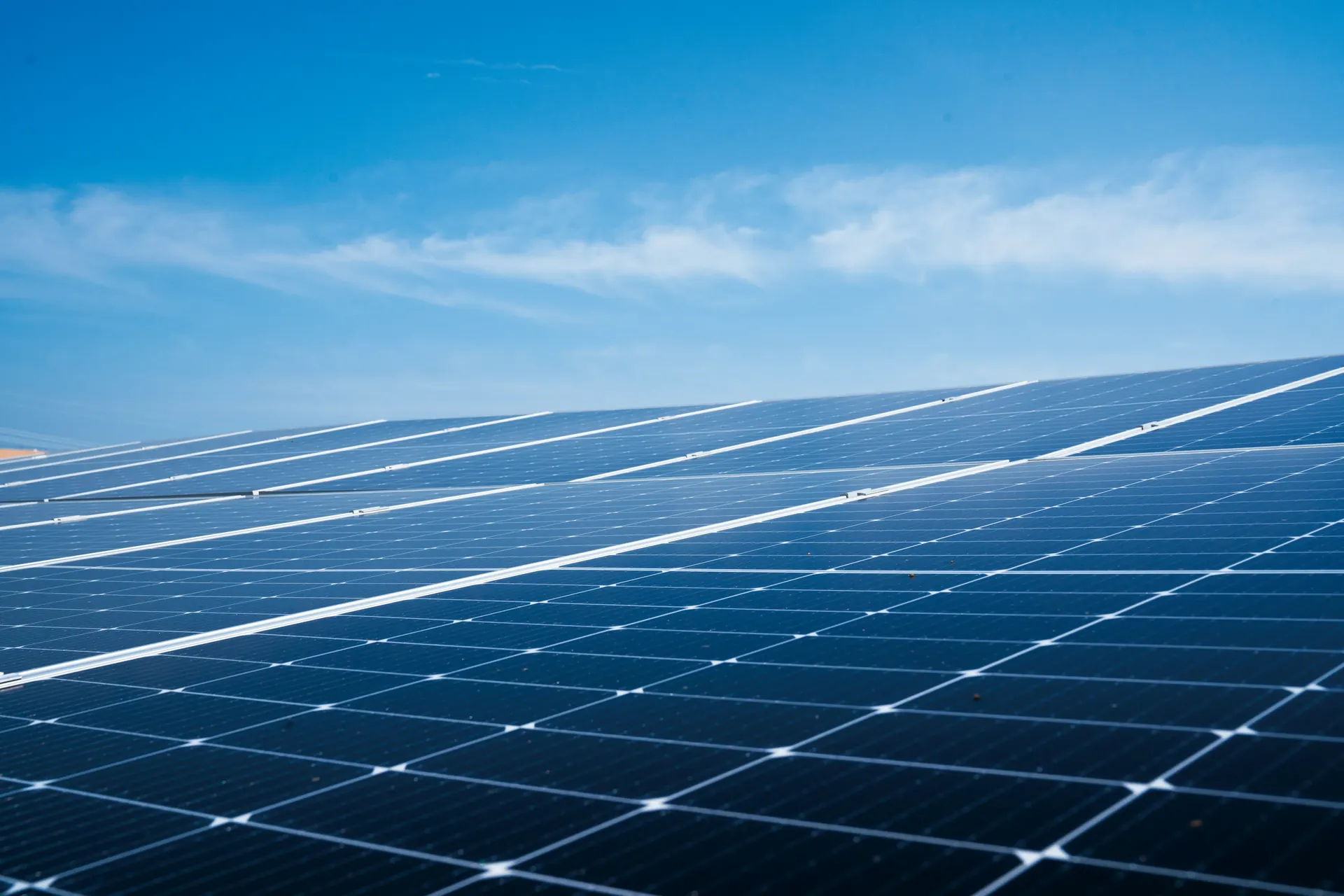
The question comes up before price is ever mentioned: “do I actually need to get the panels cleaned?” It is a fair question, and the honest answer starts with rain. In the UK, rain does a lot of the cleaning for free. What it cannot shift — bird droppings, lichen, the films that dry on between showers — is where cleaning does its real work.
What the Research Says About Soiling
Soiling — dust, pollen, bird droppings, leaf litter and biological growth — is one of the leading causes of solar underperformance worldwide. The International Energy Agency’s PVPS programme sums up the 2025 state of knowledge this way: soiling is responsible for an average of 4% to 7% global energy loss, and its cleaning-and-rain modelling shows the effect is not uniform — in places where light rain removes only part of the deposited particles, soiling becomes persistent and the losses compound.
The UK sits at the gentle end of that range. A Loughborough University study of UK residential installations, widely cited since, puts typical annual soiling losses here at around 2-4% — a fraction of the 15-25% measured in desert climates. The difference is rainfall frequency: panels pitched at the standard 30-40 degrees on British roofs get washed over and over.
But averages hide the two problems that bring us out: droppings and growth.
What Rain Can Shift — and What It Cannot
Rain is surprisingly good at moving light, loose dirt. Dust and pollen film, loosened each time a decent shower crosses the roof, mostly drains off a well-pitched array. That is why heavily soiled-looking panels are rarer in the West Country than in East Anglia.
Three things rain does not handle:
- Bird droppings. A dropping dries cement-hard to the glass and bonds to it. Each one sits over the cells like a shutter. Because of how panel cell strings and bypass diodes work, a dropping that covers even a small corner of a panel can knock out a disproportionate share of that panel’s output — one widely quoted figure puts the loss for a single affected panel at 30-50%. Bird traffic is heaviest near trees, fields and the rooftops around parks.
- Lichen and moss. These grow from the panel’s edge inwards on older arrays, especially on lower-rainfall-shaded edges, and they bond to the glass. Rain runs over them; nothing shifts them. Left alone for years they spread across the cells.
- Films that dry on between showers. Pollen in May and June, road dust near main roads, and any summer of light drizzle that dries between events. Light drizzle is the worst case: it moves dust around without clearing it, which is roughly the opposite of useful.
One more trap deserves its own line: tap water. The Bath and Bristol region is a hard-water area, and panels washed with a hose and household products can be left with visible mineral spotting once the glass dries. It is one of those jobs where the DIY version can make the glass look worse than the dirt did.
When Cleaning Pays Off
The honest version, based on where losses concentrate:
- Bird droppings you can actually see — the single clearest case. If the array has visible droppings on it, cleaning recovers exactly what is being shaded.
- Trees overhead or nearby — leaf litter and bird traffic are both higher, and autumn leaf-fall sits on panels until it is brushed off.
- Low-pitch or near-flat roofs — the washing effect of rain depends on tilt. Shallow pitches drain slowly, so films dry on and silt settles in the panel frame lines.
- Near a busy road — Kingswood, Brislington, the A4 corridor in Bath: road film builds through the year and rain thins it rather than clearing it.
- Lichen on an older array — years of growth come off slowly and gently, and the glass underneath still works. Better out now than spreading for another decade.
The panels that need cleans least often? Well-pitched rural and suburban roofs with no trees, which is a good chunk of the country — and the same 2-4% UK figure is worth knowing before anyone tells you that every array needs professional cleaning twice a year. It does not. What every array does need is the dirt that accumulates between the rain events taken off when it shows up.
How Panels Should Be Cleaned
The physics of the job is simple: get the dirt off the glass without stressing the panel. The method matters more here than on any other surface on the house:
- Soft-bristle heads on long-reach poles — the glass is scrubbed gently and rinsed at low pressure. No turbo jets, no abrasive pads.
- Nobody walks on the array. Glass carries a tempered panel, and point-loading plus a flexing frame is how micro-cracks happen. Cleaning from the ground or the roof edge is always worth it over walking the roof.
- No pressure washing. High pressure can drive water past the frame seals, damage anti-reflective coatings and, at the very least, shorten the life of the encapsulant edges. It is also, in most manufacturer guidance, an easy way to fall outside the terms of the panel warranty — worth checking your paperwork before letting anyone pressure-wash a roof array.
- Cool glass, mild day. A cold rinse onto sun-hot glass risks thermal shock. Overcast mornings and shoulders of the day are the standard window; it also suits the solar roofline, where the work is pole-based and unhurried.
Thinking about a clean? We cover solar panel cleaning across Bath, the districts around it, and solar panel cleaning across Bristol with its BS postcode districts — always soft-bristle, pole-based, and never walked on. While we are there, a quick look under the array will tell you whether birds have nested and whether gutter clearing is worth booking on the same visit. Free quotes on 07474 939 398.